
Terpenes give cannabis strains and essential oils much of their distinctive aroma and flavour, but they are far more interesting than a nice smell. They help shape the character of a plant, and researchers are still unpicking what individual terpenes may do in the body and how they work alongside other plant compounds.
In this guide, I’ll look at why plants produce terpenes, where the same compounds turn up in cannabis and essential oils, and what the research actually tells us about them. I’ll take you through fourteen of the most useful and interesting terpenes without drowning you in chemistry or pretending each one is a miracle cure.
For a broader introduction before exploring the individual compounds, my guide to terpenes and aromatherapy explains where terpenes sit within essential oils, herbs, cannabis and skincare.
Whether you know your cannabis strains by smell or have only just started exploring essential oils, there should be something here for you. No fluff, just the good stuff. Let’s get into it!
*As an Amazon Associate, I earn from qualifying purchases
* As a Blimburn Seeds affiliate, I earn from qualifying purchases.
Table of Contents
What Are Terpenes?
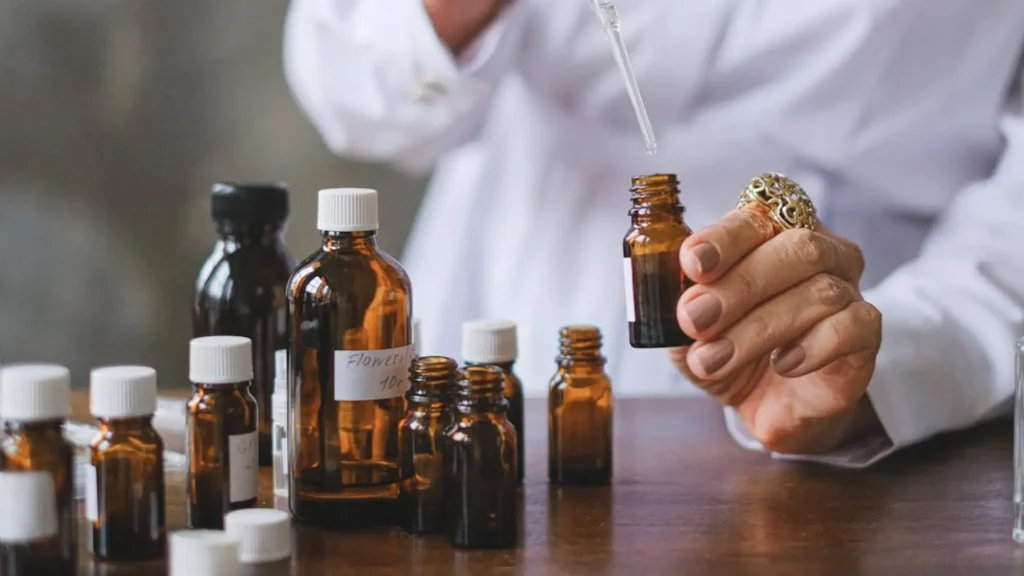
Terpenes are a huge family of natural compounds made by plants. Many of the smaller, volatile ones help create the familiar aromas of cannabis, essential oils, herbs and fruit, as well as adding to the flavour. Plants are not making them for our benefit, of course. They use them for jobs of their own, including defence, attracting pollinators and responding to stress.
Researchers have identified tens of thousands of terpenes and terpenoids, ranging from light, volatile molecules such as Limonene and Pinene to much larger compounds that are not normally part of an essential oil. In this guide, I’m concentrating on the aromatic ones you are most likely to meet in cannabis and essential oils.
Cannabis contains a complex mix of terpenes, and the balance changes with the strain or cultivar, how it was grown, when it was harvested and how it was stored. Much of the familiar smell of cannabis comes from its terpenes, but some of those fruity, savoury and downright skunky notes come from other volatile compounds too. Early human research suggests the terpene profile may help shape how cannabis feels, but it is not as simple as one terpene producing one guaranteed effect.
Terpenes are every bit as important in aromatherapy. An essential oil is a mixture of many volatile compounds, and that particular chemistry gives it its smell and affects how I use it in a blend. Two oils may both contain Limonene or Linalool without smelling the same or being used in quite the same way.
Herbs and spices are full of these compounds too. Zingiberene helps give ginger its warm, spicy smell, while Carvacrol and Thymol are well-known constituents of Oregano and Thyme essential oils. This overlap is why a spice cupboard can smell surprisingly close to an aromatherapy box, although the whole herb and its essential oil are not the same ingredient.
What Is Terpene Oil?
Terpene oil is a loose commercial term rather than one clearly defined ingredient. It may mean a concentrated blend of isolated terpenes, a steam-distilled cannabis terpene extract, or a carrier oil such as CBD oil with terpenes added. These products are not the same as an ordinary essential oil or a cannabis-infused carrier oil, so always check exactly what you are buying. Concentrated terpenes are extremely strong and should be used only at the supplier’s recommended dilution, never neat on the skin.
Where Do Terpenes Come From?
Plants make terpenes in their flowers, leaves, fruit peel, bark and roots. Some drift straight into the air, while others are held in tiny pockets or glands until the plant releases them or that part of the plant is damaged. In cannabis, much of the aromatic resin is made and stored in tiny resin glands called glandular trichomes, which give the flowers their frosty, sticky coating.
Essential oils are not bottles of concentrated terpenes. They contain a mixture of volatile compounds taken from aromatic plant material, usually by steam distillation, while most citrus peel oils are pressed. What ends up in the bottle depends on the plant, the part used and how the oil was extracted.
A terpene does not become a different chemical just because it comes from a different plant. Limonene is still Limonene whether it comes from orange peel or cannabis. That does not mean orange oil and cannabis extract will do the same thing. The amount used, how it is taken or applied and all the other compounds around it can change the final result.
Terpenes and Terpenoids
The words terpene and terpenoid are often used to mean the same thing, especially when people talk about cannabis and aromatherapy. Strictly speaking, terpenes are made only from carbon and hydrogen. Terpenoids are closely related compounds that have been changed, often by having oxygen added. In this guide, I use terpenes as the general term unless the difference matters.
Drying and curing cannabis can change the terpene profile, but they do not neatly turn all its terpenes into terpenoids. Some of the more volatile terpenes simply drift away, while heat, light and oxygen can alter or break down others. This is why cannabis can lose so much of its smell and character when drying or storage goes wrong.
Caryophyllene interacts with the endocannabinoid system, while other terpenes work through different pathways. That is one reason I like using cannabis and essential oils together in topical formulations. It is not a case of every terpene boosting THC or CBD. I choose the oils to suit the job I want the finished balm, cream or lotion to do.
If you want to see how this carries over into creams, balms and body oils, my guide to cannabis terpenes for skin looks at the formulation side in more detail.
How Do Terpenes Affect The Body?
Terpenes do not all affect the body in the same way. Caryophyllene can bind to CB2 receptors, while other terpenes work through different pathways, including the nervous system, enzymes and processes involved in inflammation. The result depends on the terpene, the amount used, whether it is inhaled or applied to the skin, and what else is present with it.
Do Terpenes Get You High?
No, terpenes do not get you high in the way THC does. They are not intoxicating on their own, but they can still affect how you feel. A calming essential oil blend, for example, may help you feel more relaxed without causing the altered perception associated with cannabis.
There is another kind of “high” that has nothing to do with intoxication. When you have lived with chronic pain or anxiety and a good aromatherapy blend finally brings some relief, the sheer pleasure of not suffering can feel like a high in itself. I know how liberating that release can be. It is not the same as a cannabis high, but the difference can still feel enormous.
Research into the way terpenes interact with THC and CBD is still developing. One small human study found that inhaled d-Limonene reduced some of the anxiety caused by THC, so at least some combinations clearly deserve more attention.
If you prefer the gentler end of cannabis, my guide to high CBD strains compares ten options and the terpenes found in each one.
What Are the Most Popular Terpenes in Cannabis?
The terpenes most often found in cannabis include Myrcene, Caryophyllene, Limonene, Pinene, Linalool and Humulene. Terpinolene can also dominate in some cultivars, while other terpenes appear only in smaller amounts. There is no fixed profile for every strain, and even plants sold under the same name can have different terpene profiles.
The Medicinal Benefits of Terpenes
What interests me is the overlap between cannabis and aromatherapy. If I am working with a Myrcene-rich cannabis infusion, I might choose essential oils rich in Limonene or Linalool to make the finished blend brighter, softer or more calming. I look at the whole blend and the job I want the finished product to do.
Researchers have looked at individual terpenes in relation to inflammation, pain, mood and microbes. Much of it is still early laboratory work, so it gives us useful leads rather than proof that a terpene will treat disease in people. It can also help explain traditional and practitioner use. The pharmaceutical industry has now noticed there may be money in it, which will surprise absolutely nobody.
Common Terpenes And Their Effects
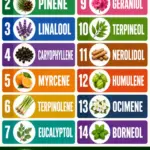
There are far too many terpenes to cover them all without turning this into a chemistry textbook, so I have chosen fourteen that regularly come up in cannabis, essential oils or both. Some are common and abundant, while others are here because they are useful, unusual or simply too interesting to leave out.
A quick note before we get into the individual terpenes: plant chemistry is never fixed. Essential oil composition changes with species, chemotype, growing conditions and distillation, while cannabis terpene profiles can shift by cultivar, grower, harvest, curing and lab test. So treat these plant and cultivar examples as useful pointers, not rigid rules.
Myrcene
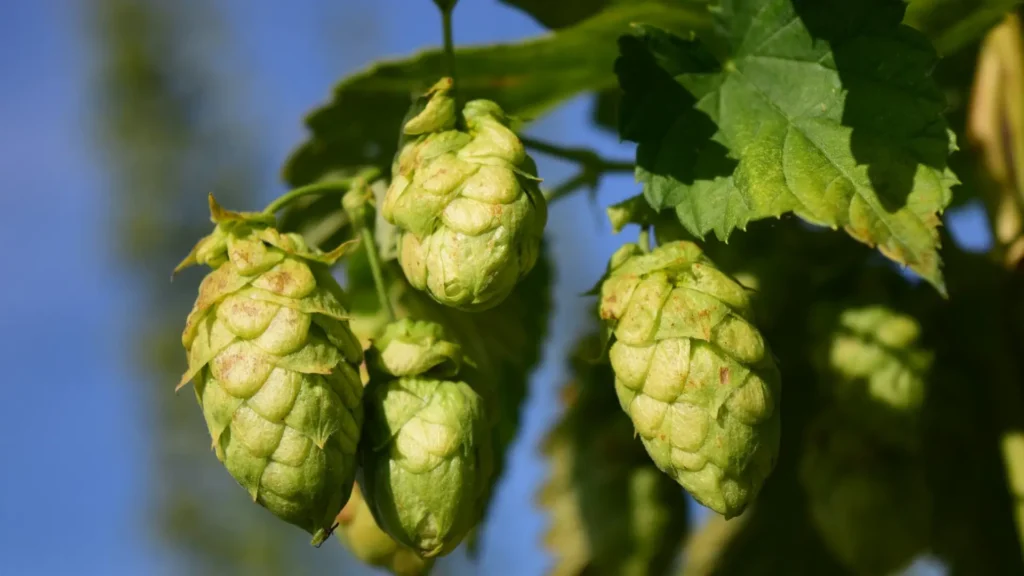
Myrcene is the deep, musky terpene often linked with the heavier, more body-led side of cannabis. You’ll also find it in hops, lemongrass and other aromatic plants, where it brings that earthy, clove-like note.
In cannabis, Myrcene is often one of the dominant terpenes, and it’s commonly associated with the relaxed, sofa-sinking feeling people sometimes call “couch-lock”. That said, myrcene is not working alone. THC levels, the rest of the terpene profile, the cultivar, dose and your own body chemistry all shape the final effect.
- In aromatherapy, Myrcene can be found in essential oils such as Black Spruce, Pink Grapefruit, Thyme, Cypress and Spearmint, although levels vary depending on the plant source, chemotype and distillation.
- In cannabis, Myrcene is often found in cultivars such as Grape Ape, Purple Haze, Blue Dream, Harlequin and OG Kush, but remember that terpene profiles vary by grower, batch, harvest, curing and lab test.
Linalool
Linalool is the soft, floral terpene best known from Lavender, where it helps give the oil its gentle, calming character. It is also found in cannabis, although levels vary widely between cultivars and batches.
In cannabis, Linalool is usually associated with a more relaxed, soothing aromatic profile rather than stimulation. Human evidence for isolated Linalool remains limited, so I would enjoy that softer character without promising it will treat pain or anxiety on its own.
- In aromatherapy, Linalool is strongly associated with Lavender, where it works alongside linalyl acetate to create much of the plant’s soft, floral, calming aroma. You’ll also find linalool in essential oils such as Thyme, Fragonia™, Ylang Ylang and Neroli.
- In cannabis, Linalool is often reported in cultivars such as OG Shark, Amnesia Haze, Special Kush, Do-Si-Dos and LA Confidential.
Limonene
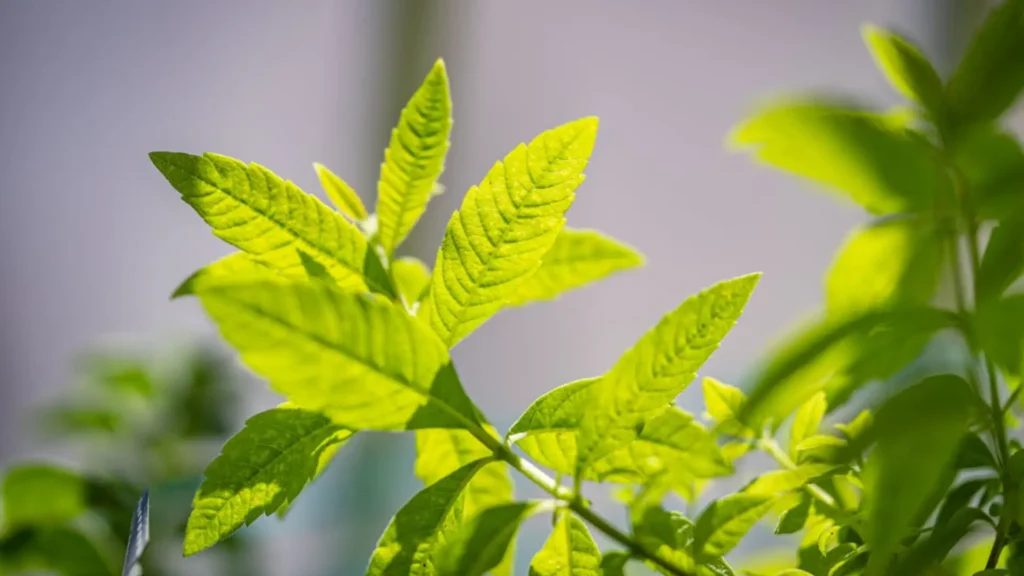
Limonene is the bright, citrusy terpene that gives lemon, orange and grapefruit peel that fresh, zesty lift. You’ll also find it in cannabis, where it’s often linked with a lighter, brighter aromatic profile rather than the heavy, sofa-sinking feel of something like Myrcene.
In aromatherapy, Limonene-rich citrus oils are often used when you want a fresher, more cheerful atmosphere. Research suggests Limonene may have mood-supporting, stress-calming, anti-inflammatory and pain-modulating potential, but the human evidence for limonene on its own is still limited, so I’d treat it as promising rather than proven.
- In aromatherapy, Limonene is easy to spot in citrus-rich oils such as Lemon, Pink Grapefruit, Neroli, Lemon Verbena and Petitgrain, where it brings that bright, zesty lift.
- In cannabis, Limonene is often reported in cultivars such as Banana OG, Wedding Cake, Do-Si-Dos, Lemon G and Purple Hindu Kush.
Caryophyllene
Caryophyllene is one of the more interesting cannabis terpenes because it doesn’t just smell warm and peppery. It can also interact with CB2 receptors in the body.
You’ll find Caryophyllene in spicy, resinous plants like Black Pepper, Clove and Copaiba, as well as in cannabis. Because of its CB2 activity, it’s often described as a dietary cannabinoid as well as a terpene.
Caryophyllene is especially interesting to me in cannabis balms, body oils and topical formulations because of its CB2 activity and warm, peppery character. For a broader comparison, my guide to the best terpenes for pain and inflammation looks at Caryophyllene, Myrcene, Limonene and Linalool together.
- In aromatherapy, Caryophyllene is especially at home in warm, spicy and resinous oils such as Black Pepper, Clove, Copaiba, Cinnamon Leaf and Clary Sage.
- In cannabis, Caryophyllene often turns up in big-flavoured cultivars such as Gelato, Chemdog, Pineapple Express, Cookies and Cream and Sour Diesel.
Terpinene
Terpinene is not one single compound but a small family that includes Alpha-Terpinene, Beta-Terpinene and Gamma-Terpinene. They bring a fresh, herbal and slightly spicy note, the sort of clean lift you’ll recognise in Tea Tree, Marjoram, Cardamom and some citrus oils.
Gamma-Terpinene gets most of the attention, with research showing interesting antioxidant activity. That helps explain why Terpinene-rich oils turn up so often in fresh, cleansing and herbal blends.
Laboratory work has also found antifungal effects against Candida. That is not a licence to call Terpinene a fungal treatment, but it is worth knowing. I wouldn’t call it a knockout sedative either, though it sits nicely in calming blends where the whole oil is doing the work.
- In aromatherapy, Terpinene turns up in bright, herbal and slightly spicy oils such as Green Mandarin, Tea Tree, Cumin, Petitgrain and Lemon.
- In cannabis, Terpinene often shows up in lively, citrus-leaning cultivars such as Blue Dream, Lemon OG Kush, Orange Cookies, Ultra-Sour and Sentinel.
Pinene
Pinene comes in two main forms, alpha-pinene and beta-pinene, and together they bring that crisp, pine-forest smell you get from conifers, rosemary and some cannabis cultivars. It feels bright and clearing rather than heavy or sleepy.
You’ll often see claims that Alpha-Pinene helps protect memory from THC. It is a tidy theory, but a small controlled human study found that inhaled Alpha-Pinene did not reduce THC-related memory or cognitive impairment. I’d enjoy Pinene for its bright, clearing character without promising it will keep your head sharp after a strong cannabis dose.
- In aromatherapy, Pinene is right at home in fresh, resinous and forest-like oils such as Pine, Helichrysum, Frankincense, Black Spruce and Plai.
- In cannabis, Pinene often shows up in bright, aromatic cultivars such as Jack Herer, Blue Dream, Dutch Treat, Bubba Kush and Cannatonic.
Eucalyptol

Eucalyptol, also known as 1,8-Cineole, is technically a monoterpenoid because it contains oxygen. It is the fresh, camphor-like compound most people recognise from Eucalyptus, but you’ll also find it in Rosemary, Cajeput, Ravintsara and Bay Laurel.
Laboratory studies have found antimicrobial activity, although that does not make Eucalyptol a stand-alone preservative. What matters to me in practice is the fresh, clearing character it brings to chest rubs, muscle balms and aromatherapy blends. It has a sharp, medicinal edge, so a little goes a long way when you are blending.
- In aromatherapy, Eucalyptol is the star of fresh, clearing oils such as Eucalyptus, Cardamom, Helichrysum, Moroccan Chamomile and Fragonia™.
- In cannabis, Eucalyptol often shows up in sharper, fresher cultivars such as Super Silver Haze, Girl Scout Cookies, Dutch Treat, Bubba Kush and Headband.
Humulene
Humulene is the dry, woody terpene found in hops, sage and some cannabis cultivars. It has that old apothecary smell, part herb cupboard, part damp woods, part bitter hop sack.
Humulene is closely related to Caryophyllene, but it does not have the same warm, peppery punch. It is cooler, drier and more resinous.
Laboratory work has found antimicrobial effects. In a blend, Humulene earns its place when you want something green, dry and herbal rather than sweet or floral.
- In aromatherapy, Humulene turns up in dry, resinous and spicy materials such as Hops, Helichrysum, Clove, Lantana and Copaiba Balsam.
- In cannabis, Humulene often shows up in bold, earthy cultivars such as Girl Scout Cookies, White Widow, Pink Kush, Sour Diesel and Sherbet.
Geraniol
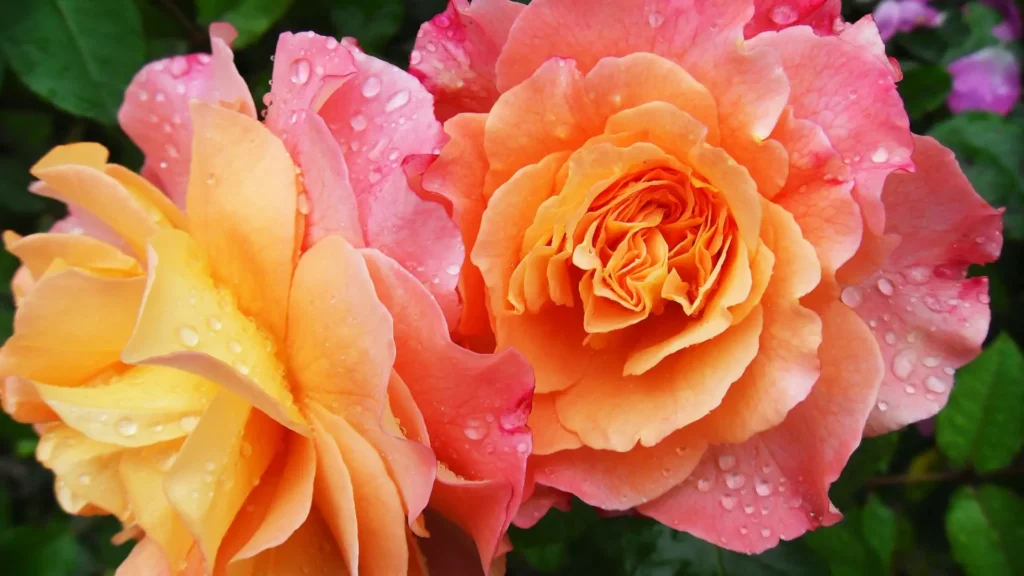
One of my favourites, Geraniol is technically a monoterpene alcohol. It gives Geranium, Rose and Palmarosa that soft, rosy, slightly fruity bloom. Perfumers and formulators love it because even a small amount can make a blend smell more polished, rounded and expensive.
Laboratory work has found antifungal effects against Candida. Interesting, certainly, but I would not turn that into a grand medical claim. In practical blending, Geraniol is superb for softening heavy herbal or resinous notes and pulling the whole aroma towards something brighter, smoother and more floral.
- In aromatherapy, Geraniol blooms beautifully in soft, rosy oils such as Geranium Bourbon, Rose, Melissa, Thyme, Citronella and Palmarosa.
- In cannabis, Geraniol often shows up in sweeter, more floral cultivars such as Great White Shark, Afghani, Master Kush, Harlequin and Island Sweet Skunk.
Valencene
Do you remember that I said earlier that terpenes were often named after the material they were first identified in? No surprise then to learn that Valencene was first identified in Valencia oranges. It is one of the rarer ones, but as I live in Valencia, I had to include it.
Valencene has a sweet, fresh orange note with a woody edge. When it comes to blending, the aroma is what matters. It gives heavy herbal, earthy and resinous notes a cheerful citrus lift without the sharpness of Limonene.
- In aromatherapy, Valencene brings that sweet orange-peel sparkle to citrus-rich oils such as Sweet Orange, Blood Orange and Grapefruit, with Cardamom and Cypriol adding a warmer, spicier edge.
- In cannabis, Valencene is most often associated with bright, citrus-led cultivars such as Tangie, Agent Orange and Chernobyl. It is usually a minor terpene, and the amount can vary from one plant and batch to another.
Borneol
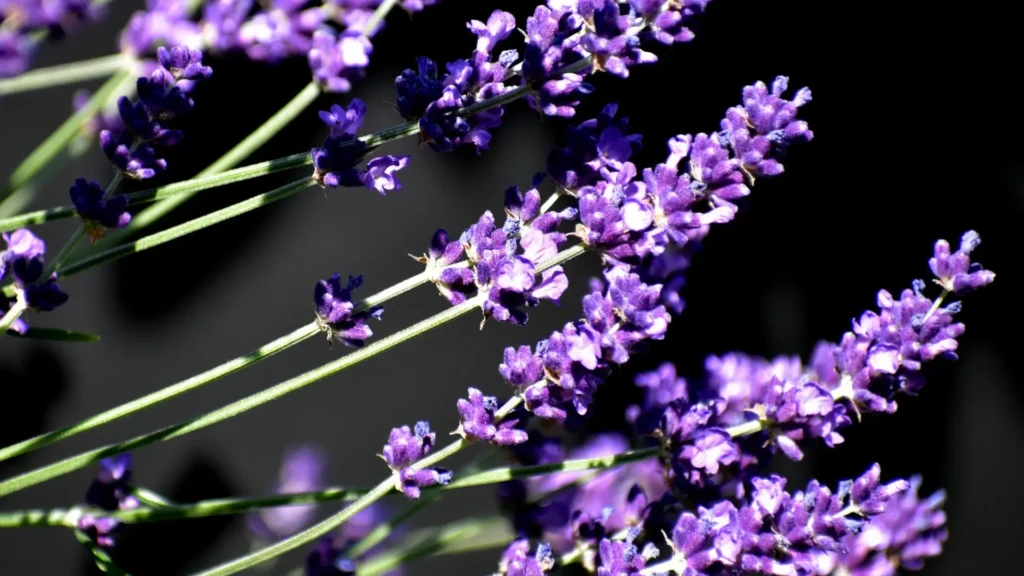
Borneol is technically a monoterpenoid alcohol with a cool, camphoraceous smell and a crisp, medicinal edge. You’ll find it in Camphor, Rosemary, Lavandin and other aromatic plants. In traditional Chinese medicine, it has long been used on its own and as a “courier” ingredient in combined formulas.
A randomised, double-blind, placebo-controlled human study tested one topical application of 25% Borneol in 122 people with post-operative pain. It gave better pain relief than the placebo during the 30 to 60 minute test period.
That does not mean a little Borneol in an essential oil blend will do the same thing, because the study used a very high concentration of isolated Borneol. Even so, it is unusual to have human evidence for one of these compounds, and it certainly makes Borneol worth knowing about in topical formulation.
- In aromatherapy, Borneol appears in cool, herbaceous or camphoraceous oils such as Rosemary Verbenone, Thyme, Elecampane, Lavandin and Spanish Sage.
- In cannabis, Borneol is usually a minor part of the profile. It has been reported in cultivars such as Golden Haze, Amnesia Haze, OG Kush, Easy Haze and K13 Haze.
Camphene
Camphene is a sharp, fresh terpene with a piney, camphor-like edge. It turns up in Camphor, Cypress, Nutmeg and conifer oils, where it adds a crisp, dry and slightly medicinal note.
This one interests me more for its aroma than for grand health claims. Camphene works as a supporting note, giving heavy herbal, spicy or cannabis-led blends a cleaner, more resinous lift without taking over the whole formula.
- In aromatherapy, Camphene turns up in fresh, resinous oils such as Sage, Yarrow, Scots Pine, Rosemary Verbenone and Black Spruce.
- In cannabis, Camphene often shows up in bright, slightly earthy cultivars such as Strawberry Banana, Mendocino Purps, Ghost OG, Banana Kush and ACDC.
Delta-3-Carene
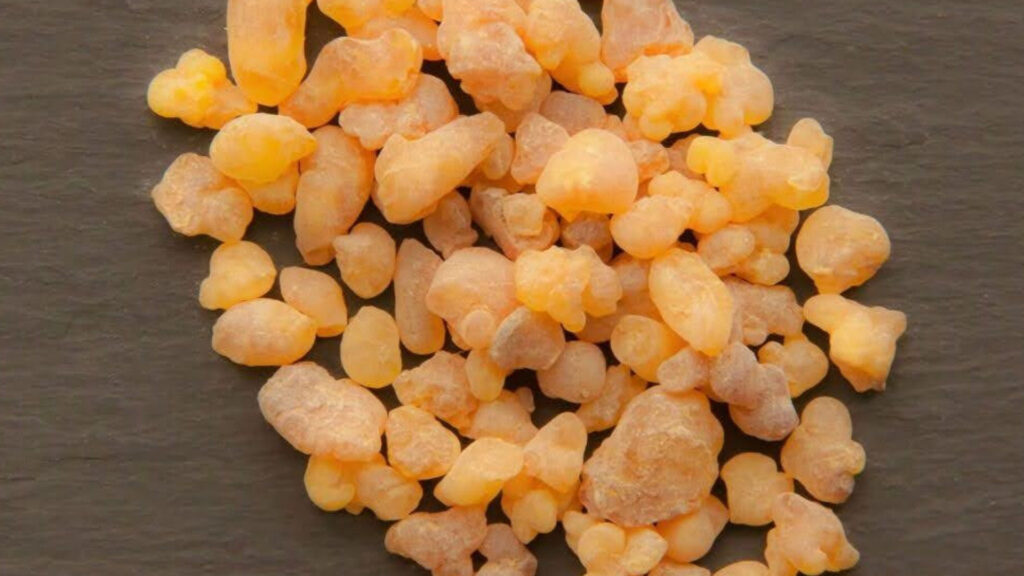
Delta-3-Carene is a sweet, dry, woody terpene with a smell that sits somewhere between Cypress, Rosemary and fresh-cut timber. It turns up in conifers, herbs and some cannabis cultivars, where it brings a clean, slightly resinous edge.
For formulation, I would treat Delta-3-Carene as part of the whole aromatic profile rather than chase it as an isolated active. It works particularly well beside citrus, pine and spice notes, adding dryness and structure so a blend does not become too sweet or soft.
- In aromatherapy, Delta-3-Carene turns up in dry, woody and resinous oils such as Cypress, Myrtle, Black Pepper, Black Spruce and Frankincense Sacra.
- In cannabis, Delta-3-Carene often shows up in sharp, classic cultivars such as Jack Herer, AK-47, OG Kush, Skunk and Super Lemon Haze.
Bisabolol
Bisabolol is one of my favourite soothing terpenes for cosmetic formulations. It is best known from Chamomile, where it brings a soft, warm, slightly floral note along with its skin-calming reputation. In creams and balms, it helps soften the feel of a formula, while in lip and hair products it can add a glossy shine.
Bisabolol is not just there for the smell. I use it when I want a formula for dry, sensitive or easily irritated skin to feel softer and less aggressive. In cannabis topicals, it also helps round off anything too sharp, camphoraceous or medicinal.
- In aromatherapy, Bisabolol is most at home in soft, skin-soothing materials such as German Chamomile, Blue Chamomile CO2 Extract, Sandalwood and Poplar Balsam.
- In cannabis, Bisabolol often shows up in softer, more calming cultivars such as ACDC, Pink Kush, Dolato, Ice Cream Cake and OG Shark.
What Is The Entourage Effect?
The entourage effect is the idea that compounds in cannabis can influence one another, so a whole extract may feel or behave differently from an isolated cannabinoid. It is a useful idea, but it does not mean every terpene automatically boosts THC or CBD. The result depends on the compounds, the amounts used and how they are taken or applied.
The term was coined in 1998 by Shimon Ben-Shabat, Raphael Mechoulam and their fellow researchers. The original study looked at related compounds influencing 2-AG, one of the body’s own cannabinoids. It was not testing terpenes in cannabis flower.
Herbalists, naturopaths and aromatherapists will still recognise the broader principle: a whole plant or blend can behave differently from one isolated constituent. That is how I approach cannabis and essential oils, while still judging each formula by what is actually in it and the job I want it to do.
Essential Oil Safety and Contraindications
Essential oils are highly concentrated and should be properly diluted before being used on the skin. Check the dermal limit for each oil, especially with expressed citrus oils that may be phototoxic.
Keep essential oils away from the eyes. If one gets into an eye, rinse it immediately with water for at least 15 minutes and seek medical advice if pain, irritation or blurred vision continues.
Do not take essential oils internally.
Pregnancy, breastfeeding, children, epilepsy, high blood pressure, medicines and other health conditions do not automatically rule out every oil, but they do mean checking the particular oil and dose properly.
Conclusion
Cannabis and essential oils have far more in common than their smell. Understanding their terpenes helps me get a better feel for the character of a cultivar or oil and choose combinations that make sense. I am not looking for one supposedly magical terpene or assuming that every combination creates an entourage effect. I look at the whole formula, the amount of each ingredient and what I want the finished cream, balm or blend to do.
🎧 Listen Instead
 Spotify
 YouTube
FAQ
What are terpenes?
Terpenes are aromatic compounds made by many plants, including cannabis. They are responsible for much of a plant’s scent and flavour and make up a large part of many essential oils.
How do terpenes benefit health?
Terpenes can affect the body through different pathways. Research has looked at their possible roles in inflammation, discomfort, mood, microbes and sleep, but the evidence is much stronger for some terpenes than others.
Are terpenes only found in cannabis?
No. Terpenes are made by many plants, including herbs, flowers, trees and citrus fruits. Cannabis shares some of the same terpenes found in essential oils, which is why their aromas can sometimes seem familiar.
Can I use terpenes for aromatherapy?
Yes, although in aromatherapy we normally use whole essential oils rather than isolated terpenes. The terpene profile helps shape an oil’s aroma and character, but the other compounds in the oil matter too.
Which terpenes are best for stress relief?
There is no single best terpene for stress. Linalool is well known for its calming character, while Limonene can give a blend a brighter lift. The whole essential oil, cultivar, amount used and person using it matter more than one terpene on its own.
Are terpenes safe to use?
Safety depends on the terpene, its concentration and how it is used. Essential oils should be properly diluted for the skin, kept away from the eyes and not taken internally. Isolated terpenes are also highly concentrated and should be used within the supplier’s recommended limits.
What’s the difference between cannabis terpenes and essential oil terpenes?
An individual terpene is the same molecule whatever plant it comes from. Limonene is still Limonene in cannabis or orange peel. What changes is its concentration and the other compounds around it, so cannabis and an essential oil will not necessarily smell or behave in the same way.
How can I add terpenes to my daily routine?
The simplest way is through essential oils in a diffuser or properly diluted in a massage oil, balm, cream or body oil. I prefer working with whole essential oils rather than adding isolated terpenes to everyday products.
If you liked this blog post, I would love it if you shared it with a friend.
If you use Pinterest, please pin this post.